
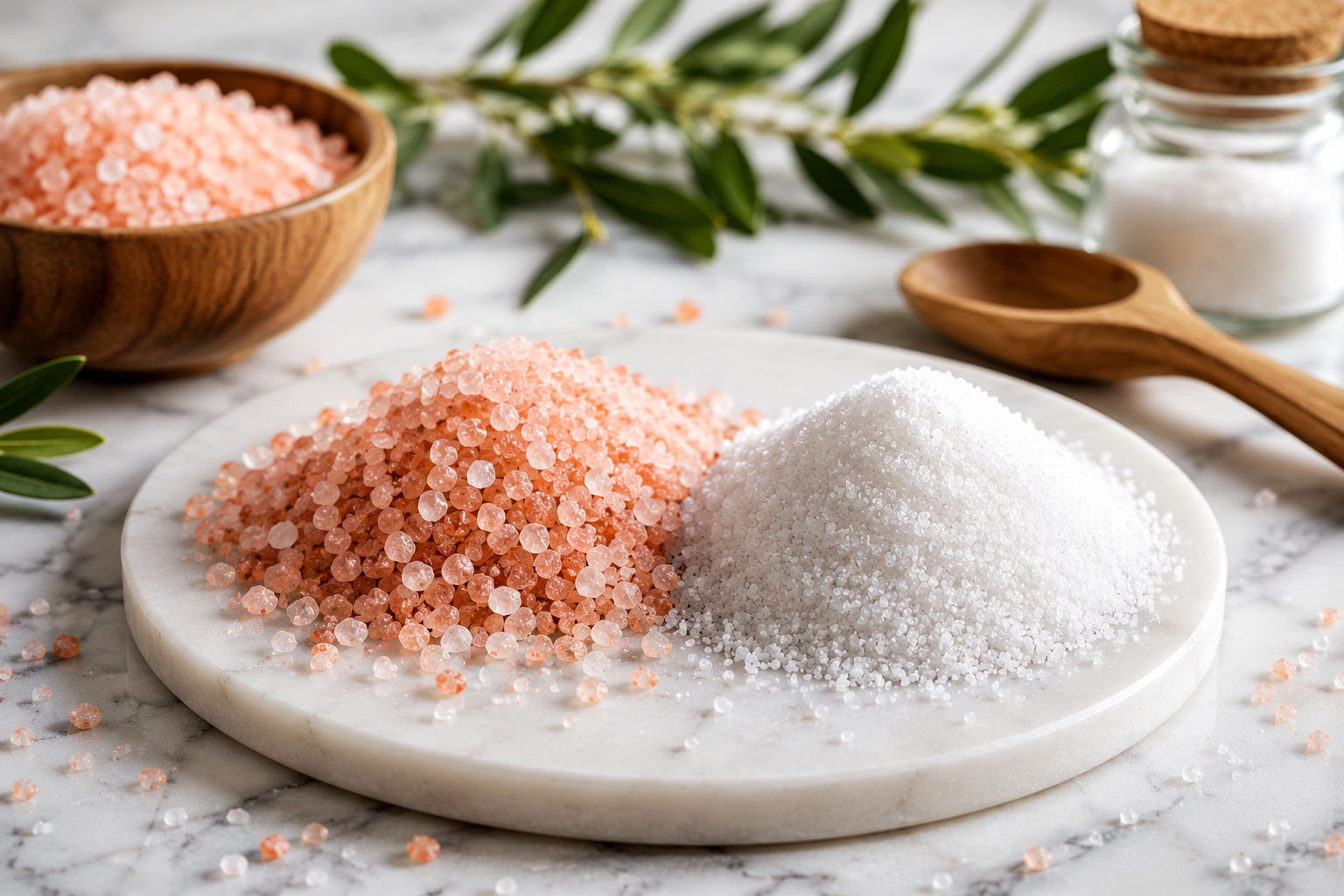
Pink salt vs table salt is a common comparison for people trying to make healthier choices in the kitchen. While both types of salt are used to season food, they differ in texture, processing, mineral content, flavor, and everyday uses. Some people prefer pink Himalayan salt for its natural appearance and trace minerals, while others choose table salt because it is affordable, iodized, and easy to use in cooking and baking.
Understanding the real differences between these two salts can help you decide which one works best for your meals and lifestyle. In this guide, we’ll break down nutrition facts, health considerations, cooking uses, and practical tips so you can confidently choose the right salt for your kitchen.
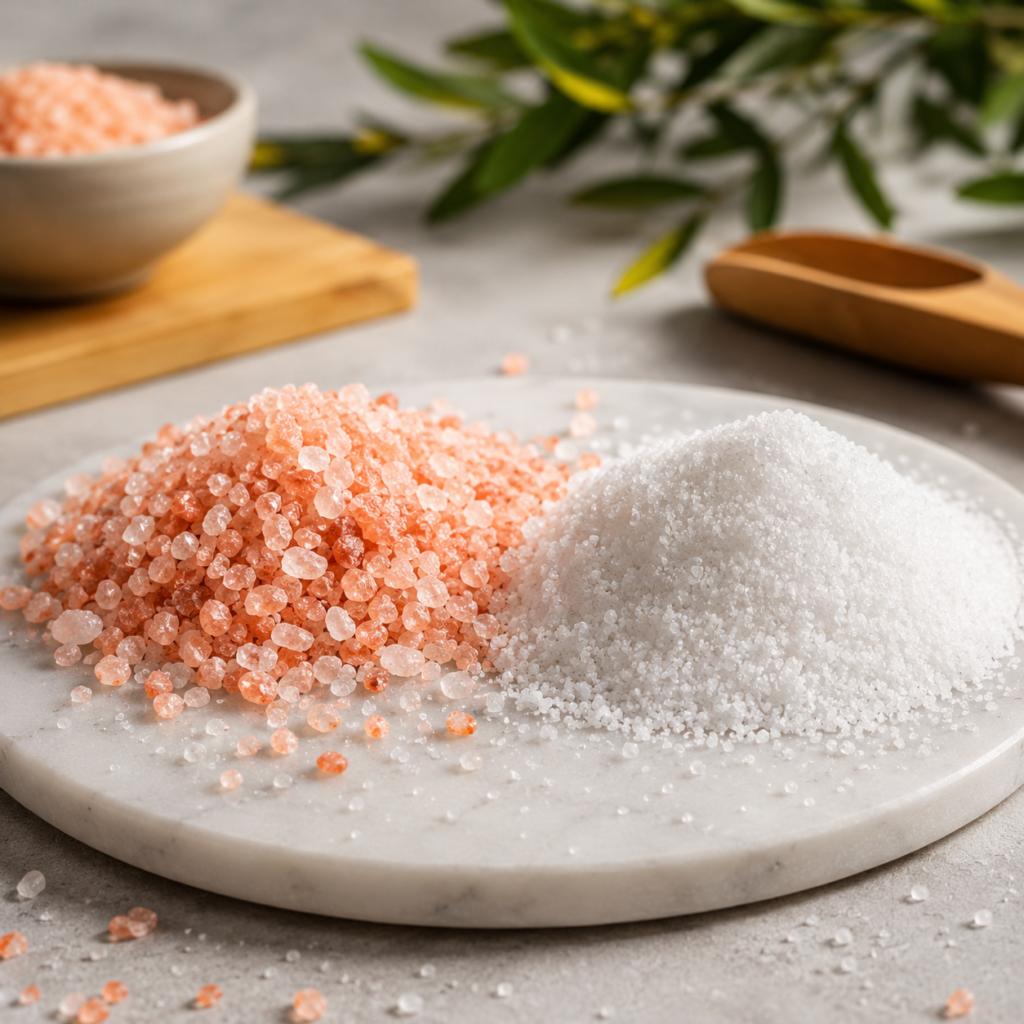
Table of Contents
Why You’ll Love This Pink Salt vs Table Salt Guide
- Explains the key differences in simple language
- Helps you understand nutrition and mineral content
- Covers taste, texture, and cooking applications
- Clears up common myths about pink Himalayan salt
- Includes practical tips for healthier salt use
- Beginner-friendly and easy to follow
Ingredients for Pink Salt vs Table Salt
Since this is a comparison guide rather than a recipe, the “ingredients” are the two salts themselves.
Pink Himalayan Salt
- Himalayan pink salt crystals
- Fine or coarse grind options
- Naturally occurring trace minerals
Table Salt
- Refined sodium chloride
- Iodine (in iodized versions)
- Anti-caking agents
Ingredient Notes
Pink Himalayan Salt
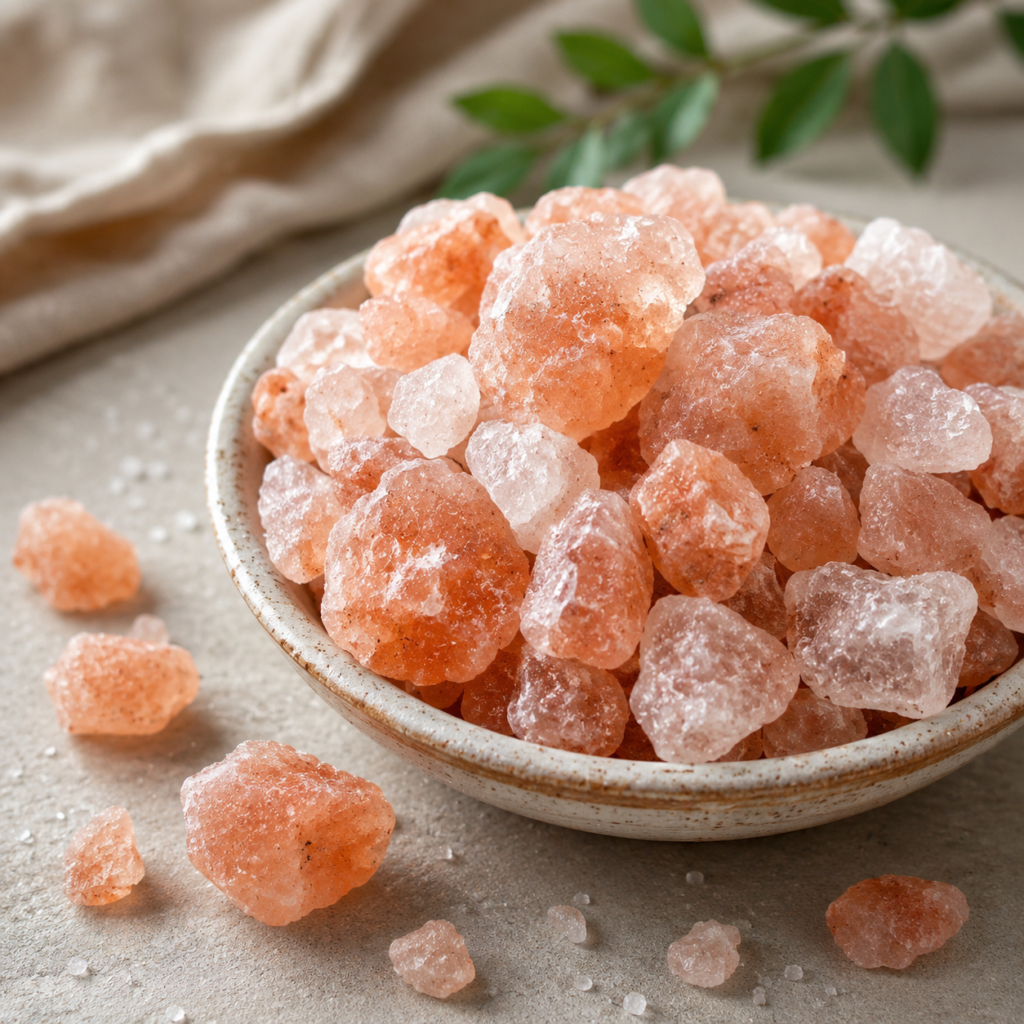
Pink Himalayan salt is mined from ancient salt deposits, mainly in Pakistan. Its pink color comes from trace minerals such as iron, potassium, calcium, and magnesium. The flavor is slightly milder and less sharp than regular salt.
Table Salt
Table salt is heavily refined to remove impurities and minerals. Many brands add iodine, which is an essential nutrient that supports thyroid health. Anti-caking agents help prevent clumping.
Healthy Swaps
- Use pink salt as a finishing salt for texture and appearance
- Use iodized table salt if you need more iodine in your diet
- Reduce overall sodium intake by seasoning with herbs, garlic, lemon juice, or spices
Step-by-Step Instructions
Step 1 – Understand How Each Salt Is Made
Pink Himalayan salt is harvested from natural salt mines. It undergoes minimal processing, which helps preserve trace minerals and its natural crystal structure.
Table salt is extracted from underground salt deposits or seawater and then heavily refined. During refining, most natural minerals are removed. Manufacturers often add iodine and anti-caking agents afterward.
Step 2 – Compare the Nutritional Value
When comparing pink salt vs table salt, the nutritional differences are actually small. Both salts are mostly sodium chloride.
One teaspoon of either salt contains a high amount of sodium. Pink salt does contain tiny amounts of minerals, but these amounts are generally too low to provide major health benefits.
The biggest nutritional difference is iodine. Iodized table salt provides iodine, which helps maintain healthy thyroid function.
Step 3 – Compare Taste and Texture
Pink Himalayan salt usually has:
- A coarser texture
- A mild mineral flavor
- A crunchy finish
Table salt usually has:
- A fine texture
- A stronger salty taste
- Faster dissolving ability
Many chefs prefer pink salt as a finishing salt because it adds texture and visual appeal.
Step 4 – Learn the Best Cooking Uses
Pink Himalayan salt works well for:
- Garnishing dishes
- Grilled vegetables
- Meat rubs
- Salads
- Decorative serving
Table salt works best for:
- Baking
- Soups
- Sauces
- Pasta water
- Everyday cooking
Because table salt dissolves quickly, it is more reliable in recipes requiring exact measurements.
Step 5 – Understand Health Considerations
Neither pink salt nor table salt should be consumed in large amounts. Too much sodium may increase the risk of high blood pressure and other health concerns.
Some claims online suggest pink salt is dramatically healthier, but research shows the differences are minor. A balanced diet and moderate sodium intake are far more important.
Pro Tips for Success
- Use table salt for baking accuracy because fine grains measure consistently.
- Choose pink salt as a finishing touch for better texture and presentation.
- Store salts in airtight containers to prevent moisture buildup.
- Taste dishes gradually when switching salt types because crystal sizes vary.
- Use iodized salt if your diet lacks iodine-rich foods like seafood or dairy.
- Experiment with coarse and fine grinds for different cooking needs.
Flavor Variations
Garlic Herb Salt Blend
Mix pink Himalayan salt with garlic powder, parsley, and oregano for a flavorful seasoning blend.
Citrus Salt
Combine pink salt with dried lemon or orange zest for seafood and grilled vegetables.
Spicy Salt Mix
Add chili flakes and smoked paprika to coarse salt for a bold finishing seasoning.
Rosemary Salt
Blend coarse salt with crushed rosemary for roasted potatoes and chicken dishes.
Smoked Salt Option
Use naturally smoked salt for deeper flavor in grilled recipes.
Common Mistakes
One common mistake when comparing pink salt vs table salt is believing that pink Himalayan salt is completely healthy or sodium-free. While pink Himalayan salt contains trace minerals, it still has a high sodium content and should be used in moderation in everyday meals.
Another mistake is using coarse pink salt in baking recipes that require exact measurements. When discussing pink salt vs table salt, texture matters because larger pink salt crystals may not dissolve evenly and can affect the flavor and texture of baked goods.
Many people also switch entirely to non-iodized salts without thinking about iodine intake. During the pink salt vs table salt debate, it is important to remember that iodized table salt can help support healthy thyroid function.
Oversalting food is another frequent problem. Different crystal sizes and textures can change how salty a dish tastes, so always start with a small amount and adjust gradually for balanced seasoning.
Serving Suggestions
Pink Himalayan salt is excellent for:
- Avocado toast
- Roasted vegetables
- Steak finishing
- Chocolate desserts
- Margarita glass rims
Table salt is ideal for:
- Bread baking
- Pasta water
- Soups and stews
- Marinades
- Everyday seasoning
Using both salts in your kitchen can give you flexibility depending on the recipe.
Storage and Freezing Instructions
Storage
- Store salts in airtight glass or ceramic containers
- Keep away from humidity and steam
- Avoid storing near the stove
Shelf Life
Salt has an extremely long shelf life when stored properly.
Freezing
Freezing is not necessary because salt is naturally shelf-stable.
Nutrition Facts (Per Serving)
| Nutrient | Pink Salt | Table Salt |
|---|---|---|
| Calories | 0 | 0 |
| Protein | 0g | 0g |
| Carbohydrates | 0g | 0g |
| Fat | 0g | 0g |
| Fiber | 0g | 0g |
| Sodium | ~590mg | ~590mg |
FAQ About Pink Salt vs Table Salt
Is pink Himalayan salt healthier than table salt?
Pink Himalayan salt contains trace minerals, but the amounts are very small. Nutritionally, both salts are mostly sodium chloride. The main advantage of table salt is that many varieties contain iodine, which supports thyroid health.
Does pink salt contain less sodium?
Pink salt may contain slightly less sodium by volume because its crystals are larger. However, the difference is small and does not make it a low-sodium food.
Why is table salt iodized?
Iodine is added to table salt to help prevent iodine deficiency, which can affect thyroid function. Iodized salt has been an important public health tool in many countries.
Can I use pink salt for baking?
You can, but fine table salt is usually better for baking because it dissolves evenly and provides more consistent measurements.
Does pink salt improve hydration?
Some people believe mineral salts improve hydration, but scientific evidence is limited. Drinking enough water and maintaining balanced nutrition are more important.
Which salt tastes better?
Taste is personal preference. Pink Himalayan salt has a milder, mineral-like flavor and crunchy texture, while table salt delivers a sharper salty taste.
Final Thoughts
When comparing pink salt vs table salt, the differences are mostly related to texture, processing, appearance, and cooking uses rather than major nutritional changes. Pink Himalayan salt offers a natural look and mild mineral flavor, while table salt provides iodine and reliable results for baking and everyday cooking.
The pink salt vs table salt discussion often focuses on health benefits, but both salts should still be consumed in moderation because they contain similar amounts of sodium. Choosing the right salt depends on your cooking style, flavor preference, and dietary needs.
Many home cooks enjoy keeping both types of salt in the kitchen. Table salt works well for precise recipes, while pink Himalayan salt is excellent as a finishing touch for texture and presentation.