
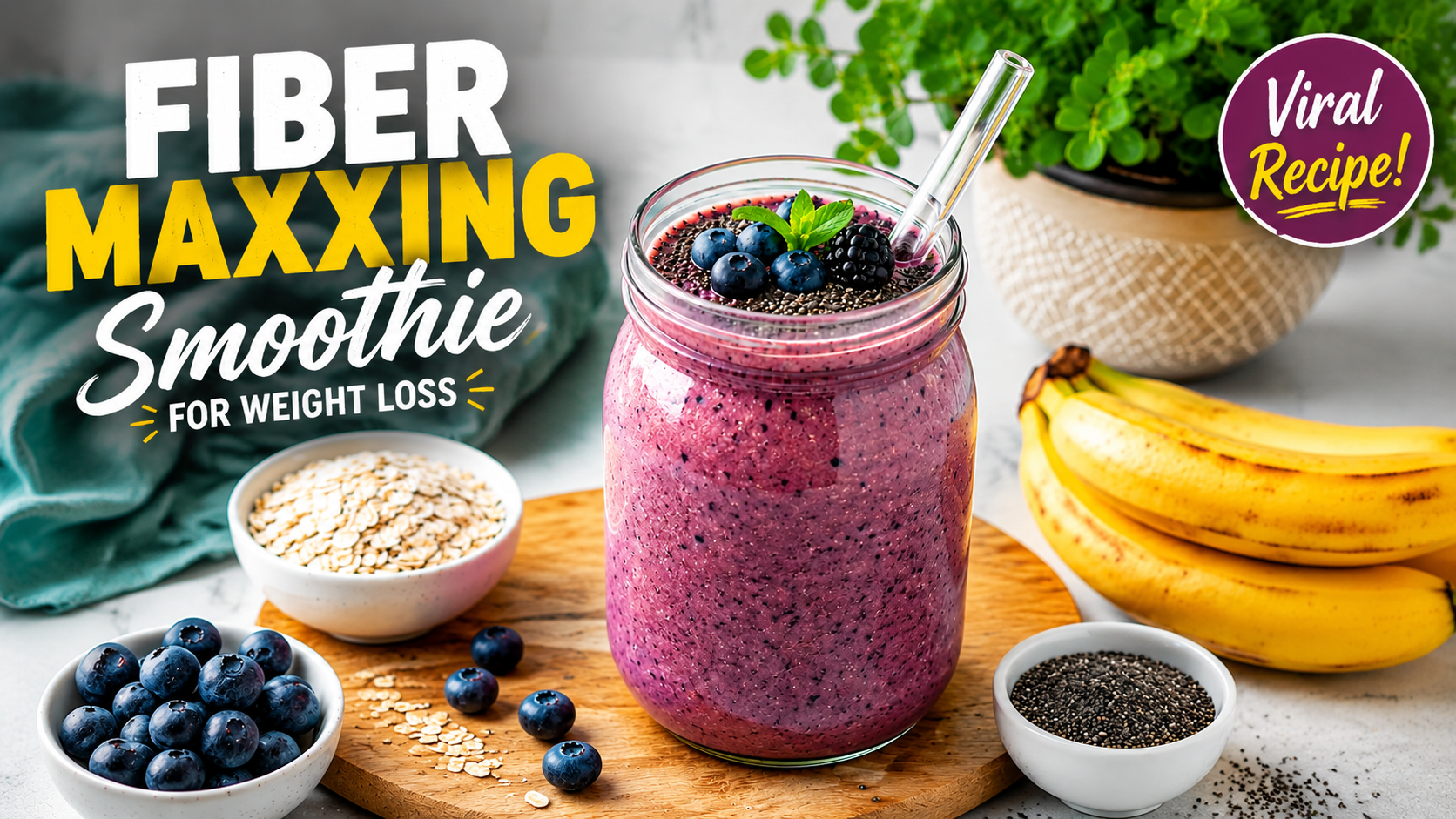
Fiber maxxing for weight loss is one of the simplest and most effective ways to improve your health while naturally reducing calorie intake. By focusing on fiber-rich foods, you can feel fuller for longer, support digestion, and build balanced meals without strict dieting. This easy plan will guide you through everything you need to know to start fiber maxxing in a practical, sustainable way.
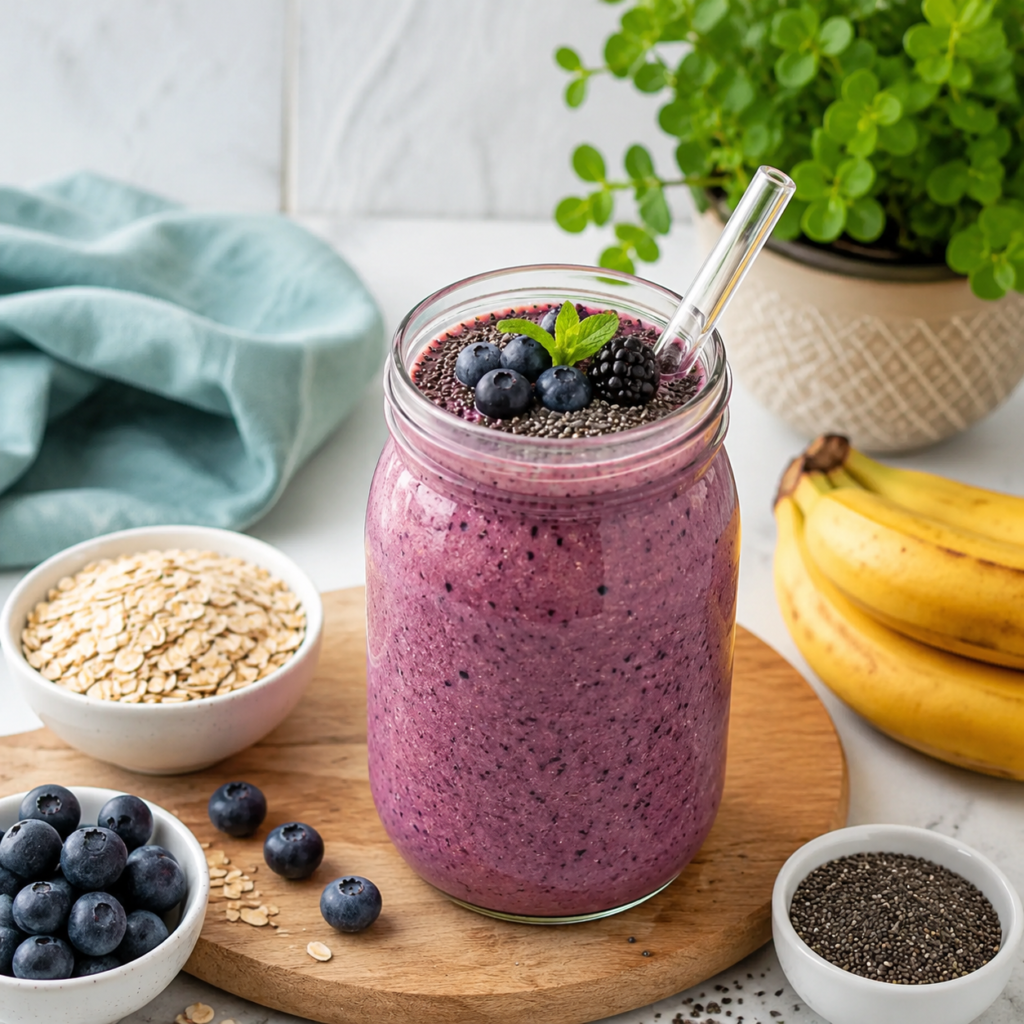
Table of Contents
Why You’ll Love This Fiber Maxxing for Weight Loss Plan
Fiber maxxing for weight loss is not about restriction—it’s about adding more of the right foods to your meals. This approach is flexible, beginner-friendly, and works with your lifestyle rather than against it.
You’ll love this plan because it helps control hunger naturally. High-fiber foods slow digestion, keeping you satisfied longer and reducing the urge to snack on processed foods. It also supports gut health, which plays a key role in overall wellness and weight management.
Another benefit is simplicity. You don’t need complicated recipes or expensive ingredients. Most fiber-rich foods are affordable, accessible, and easy to prepare. Plus, this method encourages balanced eating with whole foods, making it a long-term solution rather than a quick fix.
Ingredients for Fiber Maxxing for Weight Loss
High-Fiber Staples
- Oats
- Brown rice
- Quinoa
- Whole grain bread or pasta
Legumes and Plant Protein
- Lentils
- Chickpeas
- Black beans
- Kidney beans
Fruits
- Apples
- Pears
- Berries (strawberries, blueberries, raspberries)
Vegetables
- Broccoli
- Carrots
- Sweet potatoes
- Spinach
- Kale
Nuts and Seeds
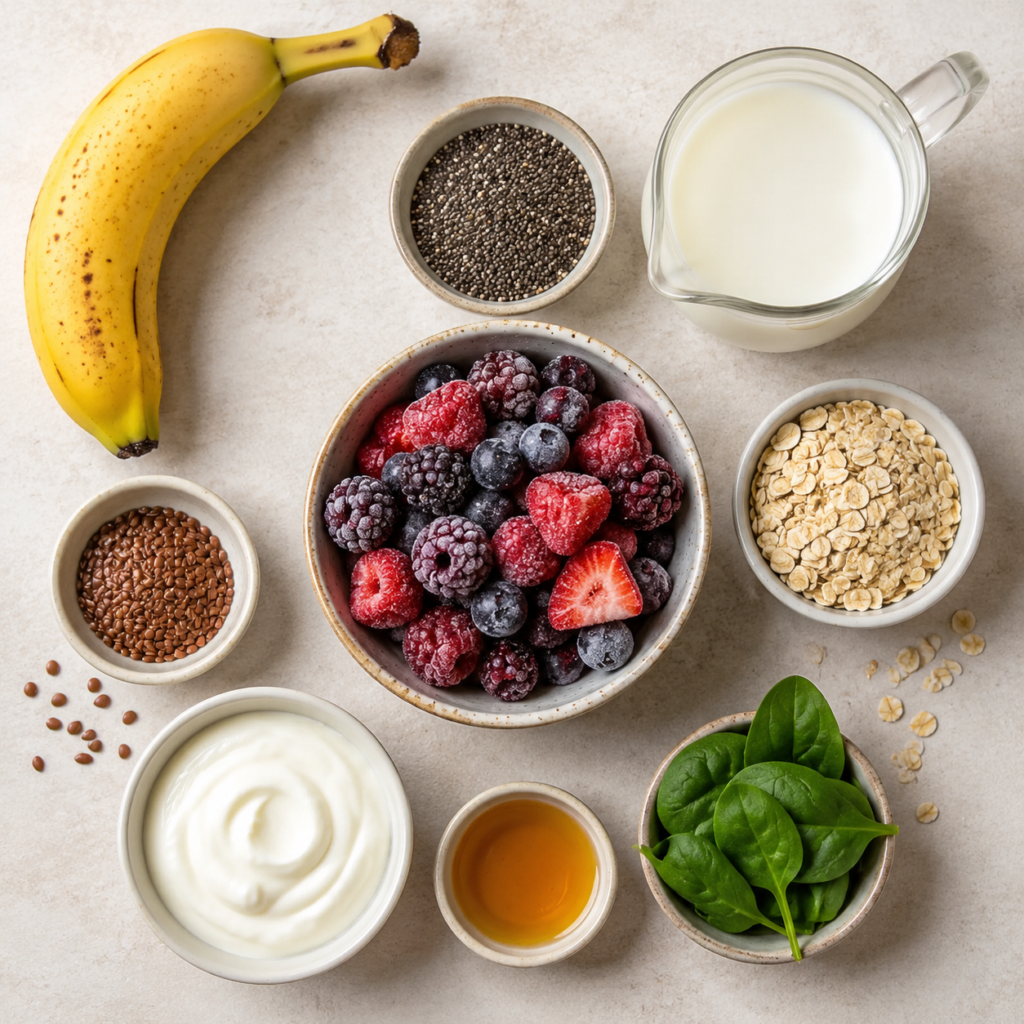
- Chia seeds
- Flaxseeds
- Almonds
- Walnuts
Ingredient Notes
To make fiber maxxing for weight loss easier and more comfortable, start slowly. If your body isn’t used to high fiber intake, adding too much at once can cause bloating. Increase your intake gradually and drink plenty of water.
For gluten-free diets, swap whole grains with quinoa, rice, or certified gluten-free oats. If legumes cause discomfort, try lentils or well-cooked beans, which are often easier to digest. You can also use tofu or tempeh as alternatives.
Step-by-Step Instructions
Step 1 – Start Your Day with Fiber
Begin your morning with a fiber-rich breakfast. Oatmeal topped with chia seeds and berries is a great option. This sets the tone for the day and helps prevent mid-morning cravings.
Step 2 – Build Balanced Meals
For lunch and dinner, fill half your plate with vegetables, one-quarter with whole grains, and one-quarter with protein like beans or lentils. This ensures every meal is rich in fiber and nutrients.
Step 3 – Add Fiber Boosters
Sprinkle flaxseeds or chia seeds into smoothies, yogurt, or salads. These small additions can significantly increase your daily fiber intake without changing your meals too much.
Step 4 – Choose Smart Snacks
Replace processed snacks with high-fiber options like fruit, nuts, or veggie sticks with hummus. These choices keep you full and energized between meals.
Step 5 – Stay Hydrated
Fiber works best when paired with water. Drink enough fluids throughout the day to support digestion and prevent discomfort.
Common Mistakes
One common mistake is increasing fiber intake too quickly. This can lead to bloating and discomfort, making it harder to stick with the plan. Always build up slowly.
Another mistake is not drinking enough water. Fiber absorbs water, so staying hydrated is essential for proper digestion.
Relying only on supplements instead of whole foods is also less effective. Whole foods provide additional nutrients that support overall health.
Finally, skipping protein can reduce the effectiveness of fiber maxxing. Combining both ensures better satiety and balanced nutrition.
Pro Tips for Success
- Increase fiber gradually to avoid digestive issues
- Drink at least 6–8 glasses of water daily
- Combine fiber with protein for better satiety
- Prep meals in advance to stay consistent
- Read food labels to identify hidden low-fiber foods
- Keep healthy snacks readily available
Flavor Variations
You can customize fiber maxxing for weight loss to suit your taste preferences.
- Mediterranean style: Add olive oil, chickpeas, cucumbers, and tomatoes
- Asian-inspired: Use brown rice, stir-fried vegetables, and tofu
- Mexican twist: Combine black beans, corn, avocado, and salsa
- Sweet option: Oatmeal with cinnamon, apples, and flaxseeds
- Smoothie bowl: Blend fruits with chia seeds and top with granola
Serving Suggestions
Fiber maxxing for weight loss works best when meals are simple and balanced. Serve a bowl of quinoa with roasted vegetables and chickpeas for lunch, or enjoy a hearty lentil soup for dinner.
You can also create colorful salads with leafy greens, seeds, and a light dressing. For breakfast, pair oatmeal with fruit and nuts. These combinations are satisfying and easy to prepare.
Storage and Freezing Instructions
Cooked grains like rice and quinoa can be stored in the refrigerator for up to 4 days. Beans and lentils also store well and can be frozen for up to 3 months.
Chopped vegetables should be kept in airtight containers and used within a few days for freshness. Preparing ingredients ahead of time makes it easier to stick to fiber maxxing for weight loss.
Nutrition Facts (Per Serving)
| Nutrient | Amount |
|---|---|
| Calories | 350 kcal |
| Protein | 12 g |
| Carbohydrates | 50 g |
| Fat | 10 g |
| Fiber | 12 g |
| Sodium | 200 mg |
FAQ About Fiber Maxxing for Weight Loss
What is fiber maxxing for weight loss?
Fiber maxxing for weight loss is a strategy that focuses on increasing fiber intake through whole foods. It helps control hunger, improve digestion, and support sustainable weight loss. By prioritizing fiber-rich meals, you naturally eat fewer empty calories.
How much fiber should I eat daily?
Most adults should aim for 25–35 grams of fiber per day. However, it’s important to increase intake gradually. Jumping straight to high amounts can cause discomfort, so build up over time while staying hydrated.
Can fiber maxxing help reduce belly fat?
Fiber maxxing supports overall weight loss, which may include belly fat reduction. High-fiber foods help regulate appetite and stabilize blood sugar levels, making it easier to maintain a calorie deficit.
Are fiber supplements necessary?
Whole foods are the best source of fiber because they provide additional nutrients. Supplements can help in some cases, but they should not replace a balanced diet rich in fruits, vegetables, and whole grains.
Is fiber maxxing safe for everyone?
For most people, fiber maxxing is safe and beneficial. However, individuals with certain digestive conditions should consult a healthcare professional before making major dietary changes.
Final Thoughts
Fiber maxxing for weight loss is a simple, effective, and sustainable way to improve your eating habits. By focusing on whole, fiber-rich foods, you can feel fuller, support digestion, and achieve your goals without extreme dieting. Start small, stay consistent, and enjoy the long-term benefits of this easy plan.
Print
Fiber Maxxing for Weight Loss: Easy Plan
- Total Time: 30 minutes
- Yield: 2 servings
Description
A simple and practical fiber maxxing plan using whole foods to support weight loss, digestion, and long-lasting fullness.
Ingredients
Oats
Brown rice
Quinoa
Lentils
Chickpeas
Black beans
Apples
Berries
Broccoli
Carrots
Chia seeds
Flaxseeds
Almonds
Instructions
1. Start your day with a fiber-rich breakfast like oatmeal with seeds and fruit
2. Build balanced meals using vegetables, whole grains, and legumes
3. Add chia or flaxseeds to meals for extra fiber
4. Choose high-fiber snacks like fruits and nuts
5. Drink plenty of water throughout the day
Notes
Increase fiber intake gradually
Drink enough water to support digestion
Use whole foods instead of supplements when possible
- Prep Time: 10 minutes
- Cook Time: 20 minutes
- Category: Healthy
- Method: No-Cook/Basic Cooking
- Cuisine: International
Nutrition
- Serving Size: 1 bowl
- Calories: 350
- Sugar: 8g
- Sodium: 200mg
- Fat: 10g
- Saturated Fat: 2g
- Unsaturated Fat: 7g
- Trans Fat: 0g
- Carbohydrates: 50g
- Fiber: 12g
- Protein: 12g
- Cholesterol: 0mg